



Ukraine needs to build a decentralized network of small underground fuel storage facilities as supply routes shrink and Russia intensifies attacks on the country’s fuel infrastructure, according to Serhiy Kuyun, director of the A-95 consulting group.
“The only solution is underground storage. Apparently, both the state and private companies are already working in this direction. At the same time, building such infrastructure costs at least twice as much as above-ground storage tanks,” Kuyun wrote on Facebook.
According to the expert, there is currently no government support even in the form of simplified and accelerated approval procedures for project documentation, let alone preferential lending or other incentives.
Kuyun said Ukraine should not focus on constructing large underground storage facilities, as they would be more vulnerable to coordinated missile attacks.
“If every importer builds its own small storage facilities with a capacity of 3,000, 4,000, 5,000 or 10,000 cubic meters, the system would be much more resilient. But in any case, we need to understand that this cannot be done quickly. It would take a year and a half to two years, even if we started today,” he said.
Kuyun also believes that citizens, municipal institutions, state organizations and private companies should be encouraged to maintain their own fuel reserves.
“Distributed reserves among consumers would help prevent panic buying and excessive immediate pressure on the supply system in the event of a crisis,” the A-95 director said.
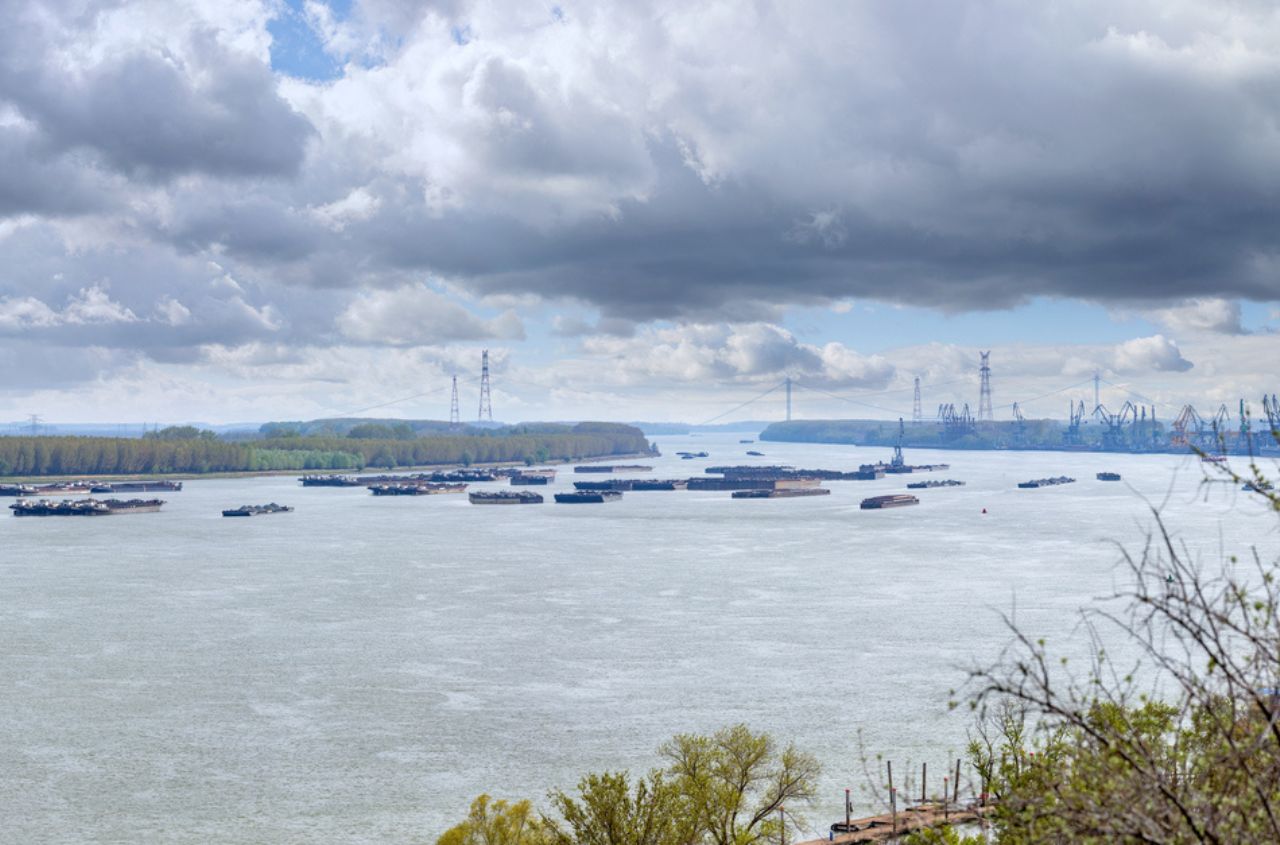
According to Kuyun, Russia has carried out new attacks on the bridge in Maiaky, located on the route connecting Reni with the rest of Ukraine, as well as a strike by a jet-powered Shahed drone on a tanker carrying vegetable oil along the same route.
“I think that when planning the strategy for petroleum product supplies over the coming months, it would be better to forget about the southern route. This means that the entire burden will fall on the land border, which is already operating at maximum capacity. All of this means that the system is becoming less diversified, with the corresponding risks,” Kuyun wrote.
He explained that Russia is gradually cutting off Ukraine’s southern fuel supply route, creating a threefold impact: reducing the number of available supply channels, increasing the diversion of freight transport capacity as maritime exports shift to road transport, and placing additional pressure on border crossings while reducing their capacity to handle fuel imports.
At the same time, Russia is now targeting not only oil depots in Ukraine but also filling stations and fuel tanker trucks.