

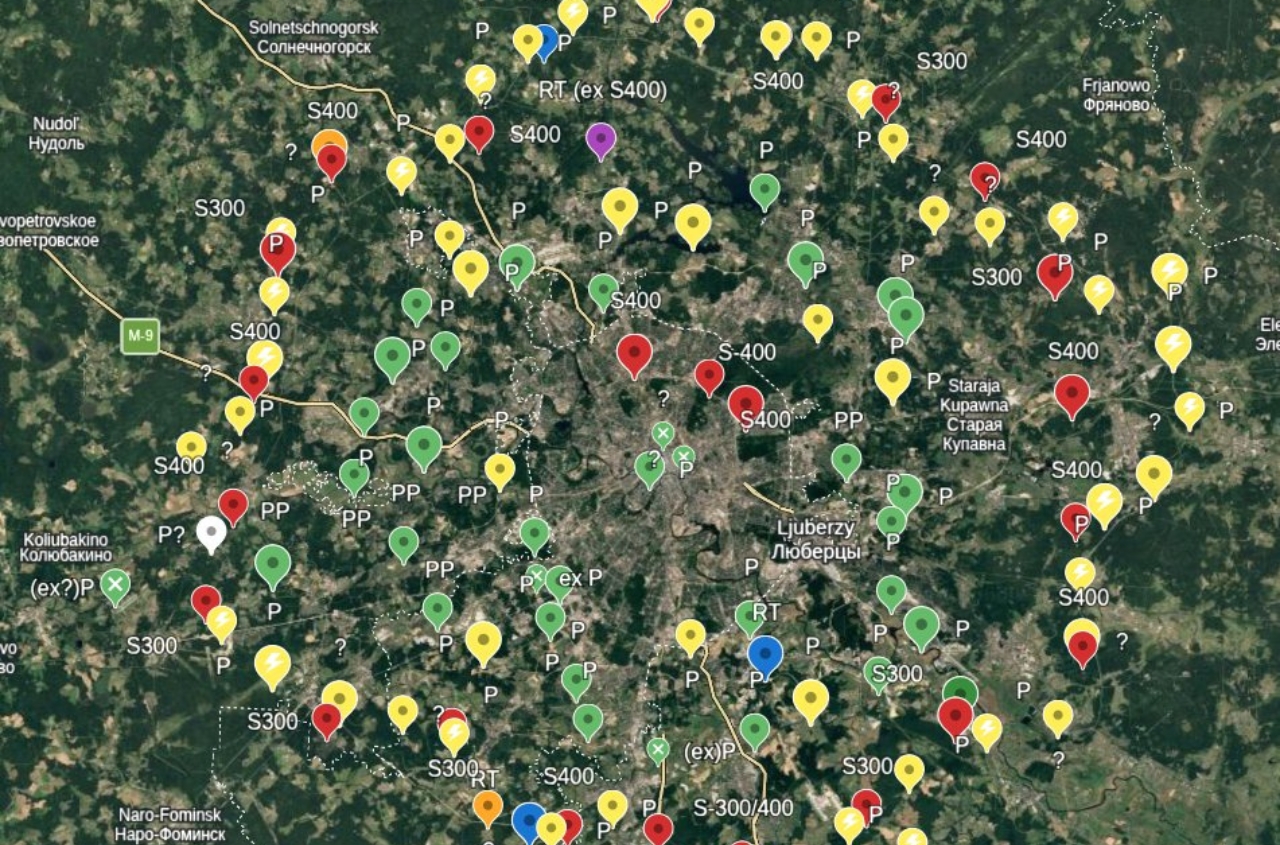

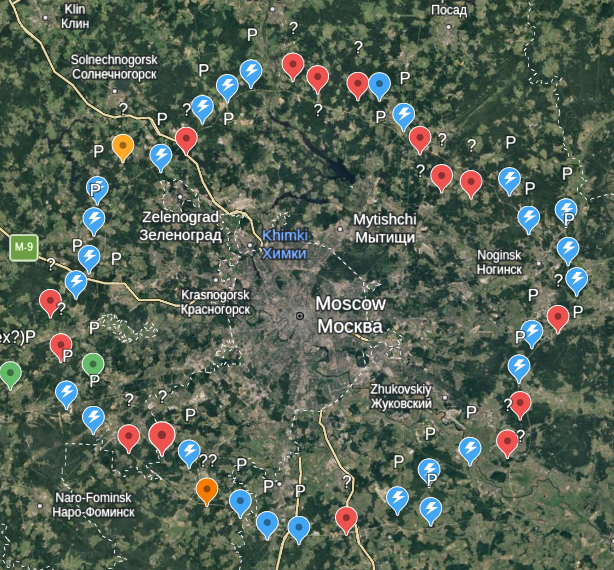
A recent OSINT investigation by researcher Jembob has uncovered a significant expansion of Russia’s air defense infrastructure over the past year, including the construction of nearly 100 embankments and towers designed to host Pantsir-S1 and other air defense systems.
Around Moscow alone, at least 43 new towers have been erected, all equipped with Pantsir-S1 systems, while existing positions remain fully operational. Jembob also identified that by December 2025, Russia had built at least one embankment near every oil refinery within 1,500 kilometers of the Ukrainian border. Notable clusters include three ramps in Saratov, which hosts two refineries, three to four in Kazan, and nine in the Rostov area.
The area surrounding President Vladimir Putin’s residence in Valdai has seen intensified defenses, with eight additional Pantsir-S1 towers constructed. The site now features 19 Pantsir positions, electronic warfare installations, two radar positions, and systems for both S-300 and S-400 surface-to-air missiles.
Previously observed primarily around Moscow and St. Petersburg, concrete air defense towers are now appearing in other cities, including Vladimir and Sochi. Elevated air defense positions were also detected near critical power substations in Rostov, Stary Oskol, and Bryansk.
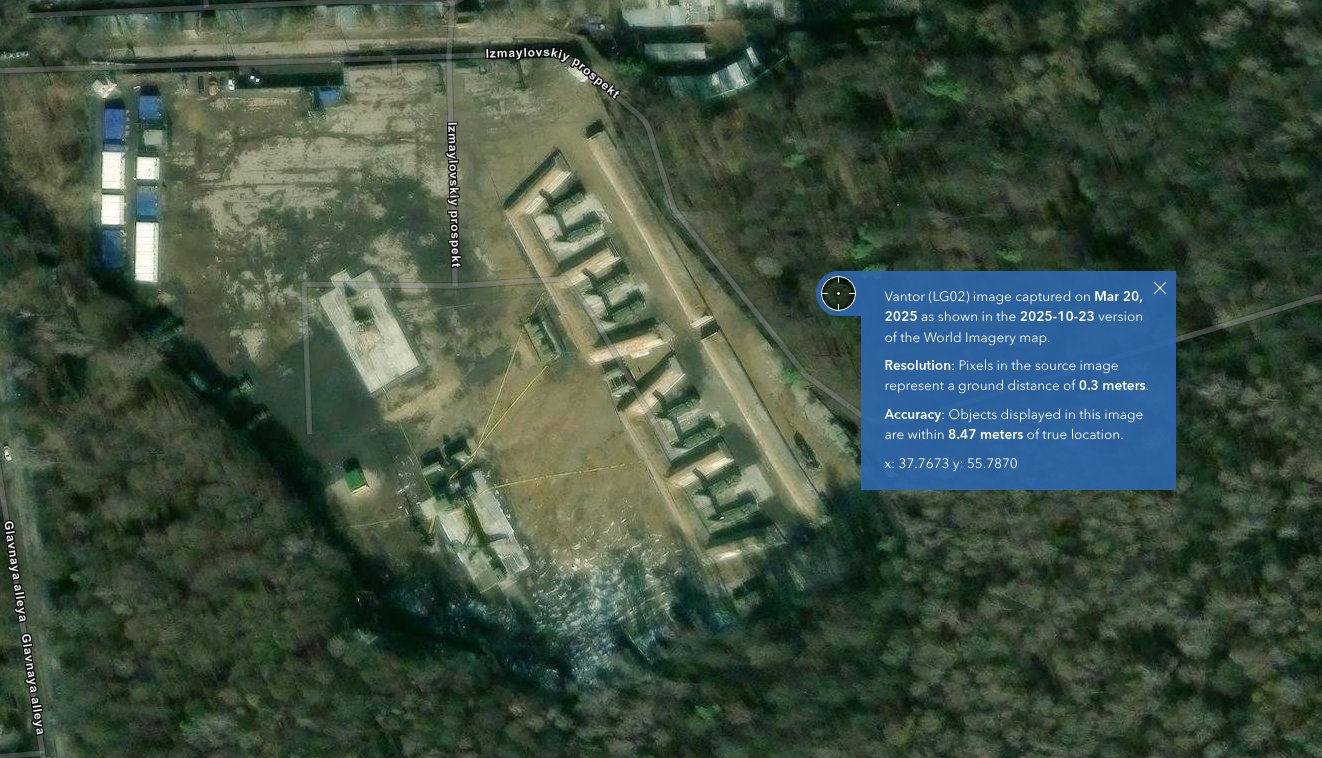
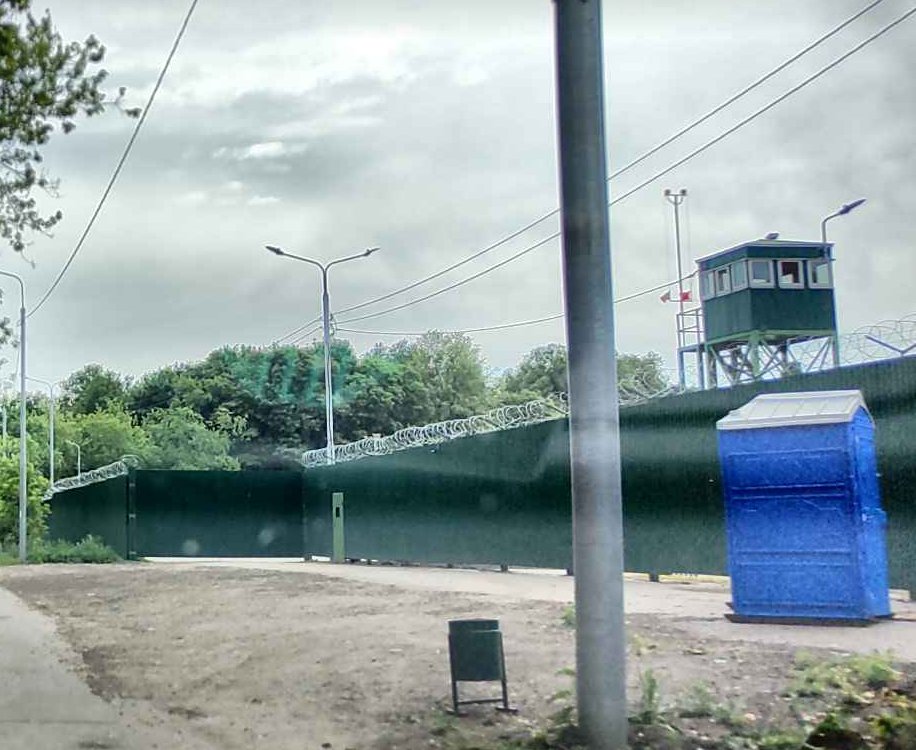
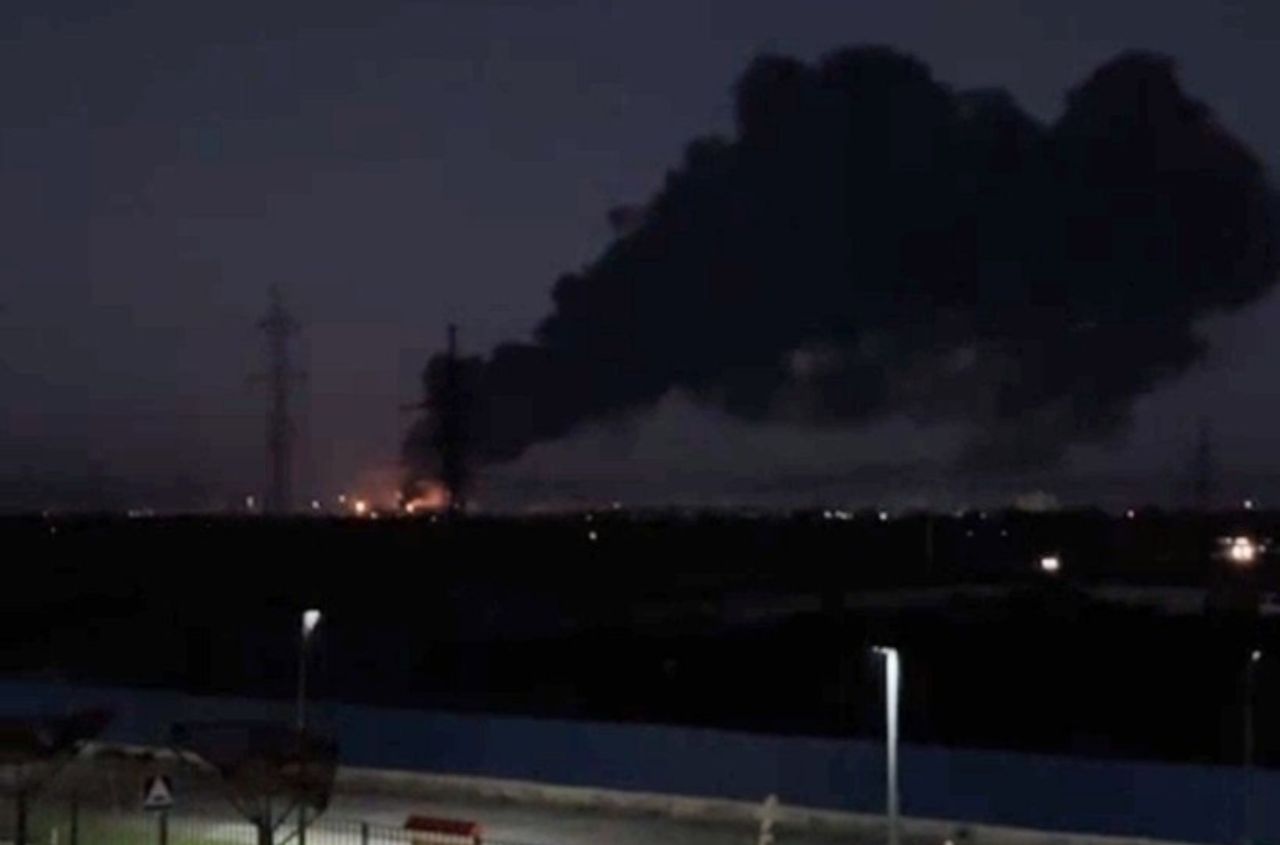
However, Jembob cautions that the presence of such fortifications does not guarantee effective protection. Past strikes on an oil depot in Russian-occupied Feodosia suggest that these towers may not fully prevent attacks. While embankments can host various air defense systems, the towers are likely designed specifically for the Pantsir-S1.
Additionally, Jembob reported that Russia has begun installing anti-drone protective grids on S-300 and S-400 missile launchers, with such fortified positions identified as far east as Saint Petersburg, deep within Russian territory.