

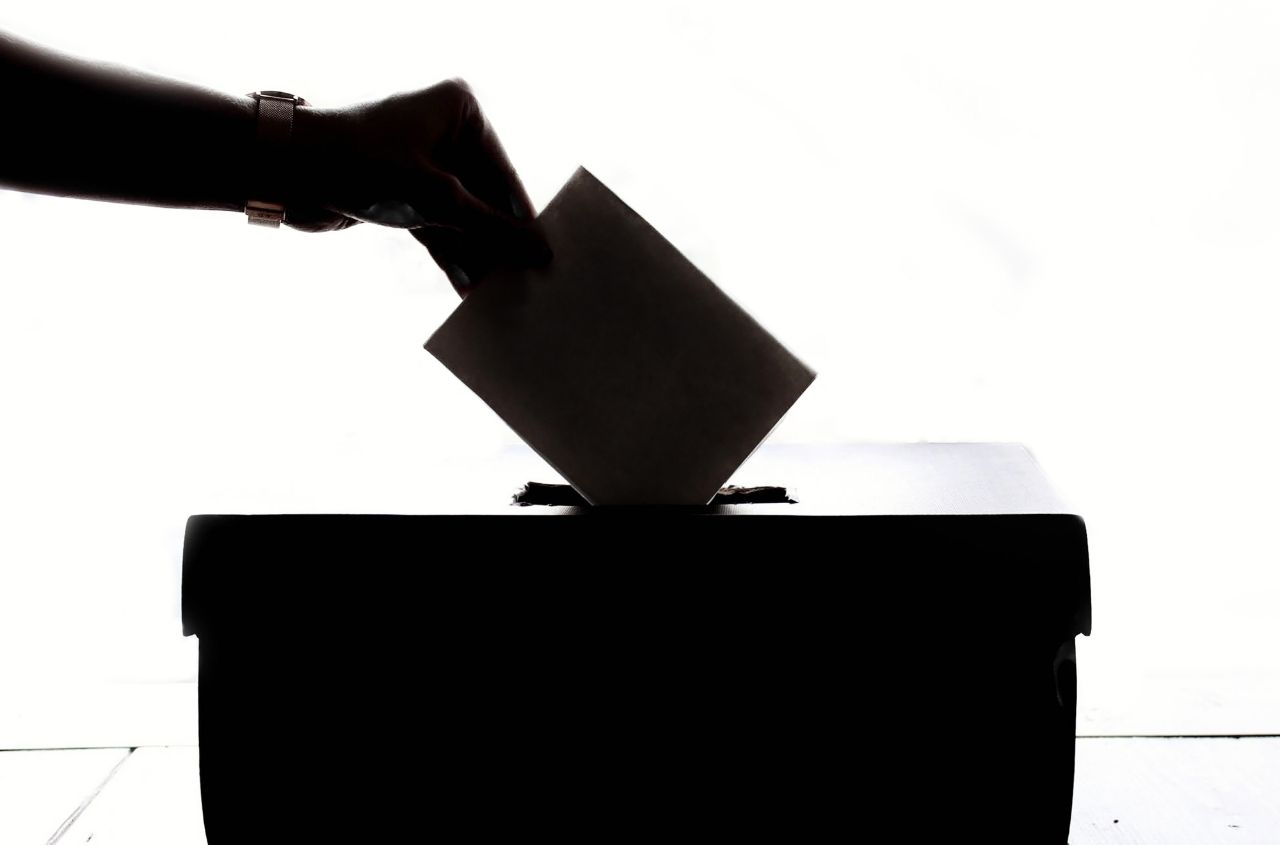
Russia is once again preparing to stage an electoral spectacle in the temporarily occupied territories of Ukraine, and this time the performance will cost hundreds of millions of roubles. On September 20, 2026, Russia will hold elections to the State Duma as part of its so-called single voting day, and the Kremlin is making no secret of the fact that its plans for the occupied territories remain the same as in previous years: to create the appearance of legitimate voting in places where there can be no question of legitimacy.
The scenario remains unchanged. Electoral lists include guaranteed winners from United Russia, among them, for example, former ombudswoman Moskalkova, while younger Kremlin-backed candidates from the “new regions” are put forward alongside them to create the illusion of social mobility for the local population. In reality, this is merely a façade designed to conceal the absence of any genuine representation.
Behind this performance lie two entirely pragmatic objectives of the occupation authorities. The first is to tighten control over public sentiment among residents of the five temporarily occupied regions. Under the pretext of election campaigning, door-to-door visits have begun, aimed at identifying and neutralising potential centres of discontent in advance, including through financial incentives for loyal voters.
The second objective is far more straightforward: the elections have become a convenient pretext for spending and appropriating budget funds by both Russians and local collaborators. In the temporarily occupied part of Donetsk region alone, more than 300 million roubles have been allocated from the so-called DPR budget to organise the elections, despite the severe socio-economic crisis in these territories.
At the same time, the Kremlin is attempting to give its electoral spectacle at least some semblance of international legitimacy. To achieve this, loyal groups of foreign nationals are being assembled, including pro-Russian journalists, political analysts, individual experts and even former municipal politicians.
Every year, such delegations visit Crimea, Donetsk, Luhansk and other temporarily occupied Ukrainian territories, apparently unconcerned about either international sanctions or their own reputations. The motivation of these “observers” is rarely complicated: either genuine ideological sympathy for Russia or straightforward financial inducement.